Status and
Identity
Competition and Hierarchy
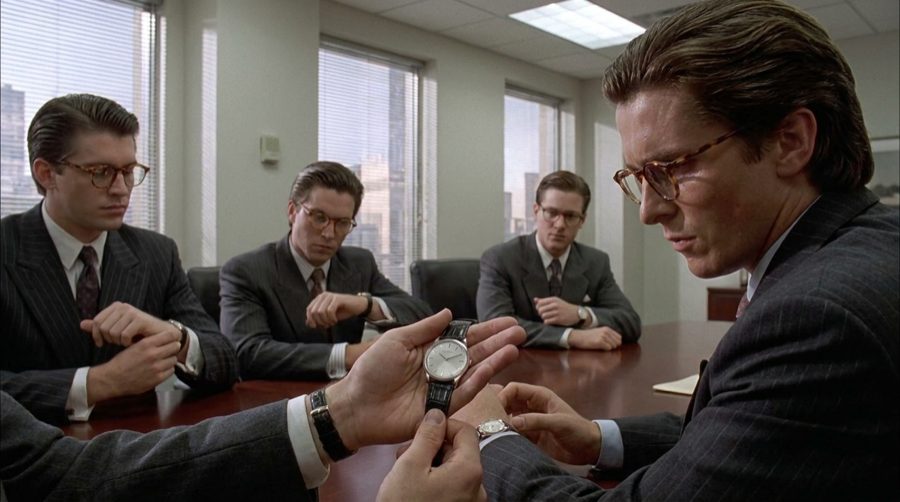
The mechanical wristwatch operates as the ultimate analog scoreboard of modern capitalism, concentrating the entire symbolic vocabulary of power, status, and peer rivalry onto a few square centimeters of the human body. To understand the explosive valuation of these objects, we must first look at the wrist itself, and how it has inherited a burden once carried by the entire wardrobe.
Historically, a man’s standing, social class, and personal discipline were assessed through a strict hierarchy of sartorial details—the cut of a suit, the weight of fabric, and above all, the quality of his shoes. Bolt observes this shift directly: “Many, many years ago, I think our grandmothers would tell us that the way you tell a man’s standing is by looking at his shoes. Now, I think most people would say, ‘Check out the wristwatch.’”
In a post-COVID, post-workplace-acceleration era, formal suits and leather shoes have been systematically replaced by tech-casual uniforms and luxury sneakers. When a billionaire founder and a junior analyst wear identical fleece vests and casual shoes in the same boardroom, traditional clothing loses its capacity to signal hierarchy. Consequently, the mechanical watch has emerged as the last dense, socially acceptable signifier capable of conveying net worth, institutional leverage, and cultural discernment without requiring a single word.
The economic engine behind these tiers was mapped over a century ago. In The Theory of the Leisure Class (1899), Thorstein Veblen established that in societies organized around pecuniary (monetary) competition, individuals consume goods not to satisfy material needs, but to establish “invidious distinction”—relative social superiority over others. This competitive framework is driven by pecuniary emulation, where lower social classes copy the consumption patterns of those above them, creating continuous upward pressure on the standards of reputability.
Mechanical watches are the archetypal modern Veblen Goods. The mechanical watch’s desirability and value rise with its retail price and strategic inaccessibility because the exorbitant cost functions as a social filter—what Veblen called Conspicuous Waste.
By spending $150,000 on a mechanical watch, a collector is engaging in a classic biological “handicap.” The watch’s fragility, its need for manual winding, and its astronomical servicing costs serve as an honest, un-fakeable advertisement of surplus resources: only an individual with an absolute abundance of excess capital can afford to spend resources on the purchase and maintenance of such a micro-mechanical machine. This is supported by Conspicuous Leisure, where owning an anachronistic, high-maintenance mechanical caliber signals that the owner has the cognitive surplus and free time to dedicate to the preservation of a delicate, non-productive system.
Pierre Bourdieu’s Distinction (1979) refines this dynamic, demonstrating that true status is secured not through raw spending alone, but through the mastery of Cultural Capital. Taste is not subjective; it is a weapon of class reproduction: “Taste classifies, and it classifies the classifier.” Bourdieu partitioned cultural capital into three highly relevant states.
Embodied Capital is the esoteric literacy required to spot microscopic typographic anomalies on a dial or recognize the hand-filed, boxwood-burnished anglage on a bridge under a loupe. Without this, the objectified watch remains “mute” to its owner, exposing them as a mere consumer.
Objectified Capital is the physical possession of culturally validated goods. Bourdieu noted that objectified capital has properties defined solely in relation to the embodied capital of its user. If a newly wealthy buyer purchases a highly complex perpetual calendar but cannot read its subdials, the watch betrays them—revealing economic capital but exposing a total deficit in cultural capital.
Institutionalized Capital is the formal credentials that certify taste, such as an authorized dealer’s closed “relationship profile” or official manufacturer archive certificates.
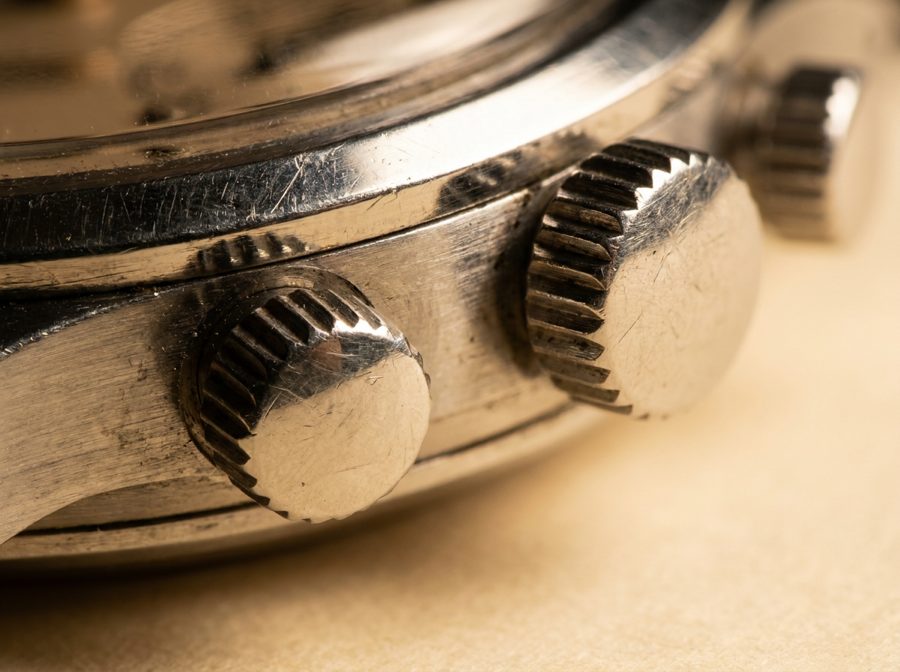
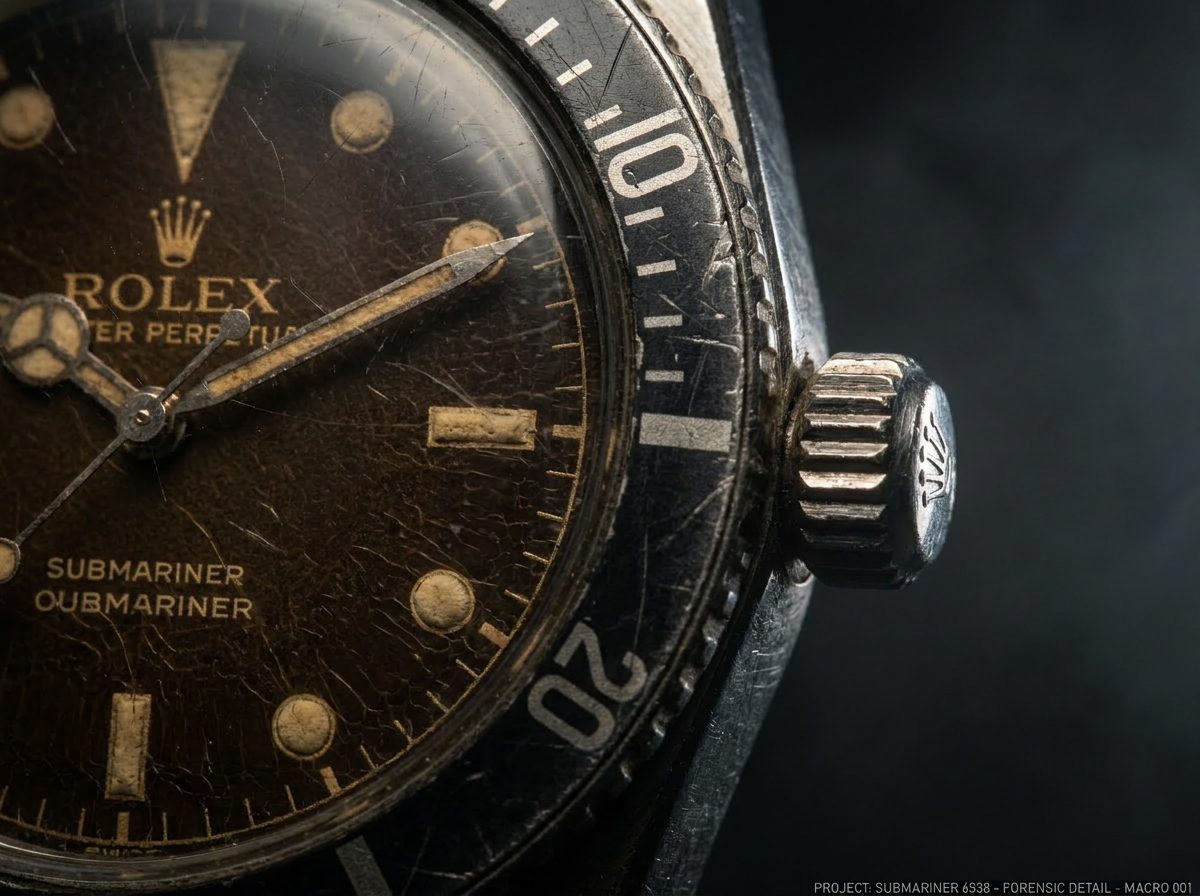
This framework codifies the structural chasm between the parvenu (the nouveau riche) and the patrician elite. The parvenu relies on “loud” luxury to announce their wealth to the uninitiated public. In contrast, the patrician elite retreats into “stealth wealth” or the “flex of the obscure”—utilizing understated, unbranded, or technically anomalous watches (such as the double-signed Tiffany & Co. dial, the moonphase-less Patek Philippe “Senza Luna,” or an organically sun-cooked “Tropical” dial) that are completely invisible to the masses but signal supreme status horizontally to peers who possess the specialized cultural capital to venerate them.
Bolt illustrates this behavioral strategy through his personal deployment of his own unpolished, steel Patek Philippe Reference 1463 chronograph: “quietly humiliating the uninitiated at the dinner table, as I pitted my 1463 SS Patek chronograph against the Jacob wearing buffoon opposite.” For Bolt, the ultimate horological flex is not loud Veblenian ostentation, but the “inverted snobbery” of carrying immense capital in an understated, technically profound format that is completely invisible to the uninitiated.
The secondary watch market functions as an insulated, homosocial male ecosystem. High-end watches are acquired to negotiate rank, power, and competence among other men. Within these peer groups, status competition is driven by Gregory Bateson’s concept of Symmetrical Schismogenesis—a process of progressive, reciprocal one-upmanship where each party responds to a rival’s behavior by escalating identical actions.
René Girard’s theory of mimetic desire further illuminates this auction-room behavior. Girard argues that human desire is never spontaneous; we desire an object because we observe a desired model or mediator coveting it. The watch serves as the metaphysical conduit. Bidders in an auction room are not competing for steel and gears; they are competing to absorb the “being” and status of the mediator (such as Paul Newman or Sultan Qaboos). When a brand enforces artificial waitlists or requires a private collection audit before a buyer is permitted to purchase an apex reference, they are acting as the Model-Obstacle. The gatekeeper’s refusal to sell to the client behaves as the ultimate confirmation of the watch’s value, intensifying desire through obstruction. This mimetic escalation culminates in the live auction room, a tribal ritual where elites publicly compete, using the hammer price to establish undisputed social dominance over their wealthy rivals.
Ultimately, it is a market engineered on the profound human need to establish hierarchy, utilizing the mechanical watch as the ultimate un-fakeable signal of standing in a crowded, noisy world.
“The Last Male Jewel”
The structural restriction of modern male personal adornment was formally codified by British psychoanalyst John Carl Flügel in his foundational 1930 text, The Psychology of Clothes. Flügel identified the late eighteenth century as a historical flashpoint where wealthy Western men abruptly abandoned bright colors, elaborate shapes, rich textures, and ostentatious ornaments. He wrote: “Hitherto man had vied with woman in the splendour of his garments… henceforward, to the present day, woman was to enjoy the privilege of being the only possessor of beauty and magnificence, even in the purely sartorial sense.” Under this new visual regime, men abandoned their claim to beauty and settled instead for “being only useful.”
Applying a strict Freudian framework, Flügel explained that clothing acts as a “compromise-formation,” satisfying the infant id’s exhibitionistic desires while appeasing the regulatory superego’s modesty prohibitions. The Great Male Renunciation tipped this balance severely toward modesty, enforcing a “repression of phallicism” where libidinal energy was sublimated into “utilitarian and productive ends.” This allowed the industrial-capitalist male to become productive precisely because he had renounced personal adornment. Flügel famously lamented this “quasi-neurotic asceticism expressed in its contemporary drab uniformity.”
This shift was not merely a change in fashion, but a violent ideological rupture driven by democratic and industrial revolutions. The French Revolution of 1789 rendered the lavish silks, powdered wigs, and bejeweled buckles of the aristocracy physically dangerous, prompting working-class revolutionaries to adopt plain sans-culottes to signal democratic solidarity. American Republicanism reinforced this ethos; Benjamin Franklin conspicuously abandoned his powdered wig for plain civilian clothes during his diplomatic mission to the French court. Enlightenment ideals further elevated utility, reason, and labor over aristocratic display.
When the Men’s Dress Reform Party (MDRP) was founded in interwar Britain in 1929—with Flügel himself as an active member—they campaigned to liberate men from the drab modern suit, advocating for the return of color and expressive display (and shorts). Despite rallies and exhibitions, the MDRP was widely mocked and collapsed in 1940, proving how deeply non-decorative utility had been internalized by the Western male.
The Functional Alibi and the Pre-War “Wristlet”
In a culture where pure ornamentation was policed as effeminate or theatrical, any accessory worn on the masculine body required a defensive shield: the “functional alibi.” This cultural loophole granted an ornament social legitimacy only if it performed real, practical work in the physical universe. The necktie nominally fastened the collar; cufflinks and studs functioned as necessary mechanical fasteners; the signet ring historically acted as a legal signature and wax seal press; and the pocket watch was an essential, high-precision timekeeping instrument.
Before World War I, however, wearing a timepiece on the wrist was explicitly coded as feminine. Men carried heavy pocket watches tucked away in their waistcoats, consulting them with a deliberate gesture that performed bourgeois respectability. Wrist-worn timepieces were dismissed as “wristlets”—fragile, delicate jewelry fit only for women. This gendered stigma was aggressively policed; an Albuquerque Journal article in May 1914 declared that “the fellow who wears a wrist-watch is frequently suspected of having lace on his lingerie, and of braiding his hair at night.” To wear a watch on the wrist was to transgress the core boundary of the Great Male Renunciation.
The Trench Crucible and Technological Masculinity
This masculinization was violently forged in the mud and artillery thunder of the Western Front. Industrialized trench warfare made fumbling inside a waistcoat pocket for a watch physically impossible and tactically lethal. Soldiers needed both hands free to handle weapons or coordinate artillery barrages. They soldered wire loops onto pocket watches, strapped them to their wrists with canvas, and added shrapnel grilles, turning the delicate wristlet into a vital survival instrument. It returned from war on the wrists of demobbed officers as a badge of earned valor and operational competence, fundamentally altering its cultural coding. By 1930, wristwatch sales in the United Kingdom had surpassed pocket watch sales at a staggering 50:1 ratio, a structural transition that never reversed.
Christopher E. Forth’s Masculinity in the Modern West (2008) underpins this transition with the concept of “technological masculinity.” Forth demonstrates that modern Western men harbor a persistent anxiety that the sedentary comforts of advanced civilization will “soften” them, leading to physical and moral degeneration. To combat this, men turned to material practices that demonstrated hardness, precision, and control over the material world.
Semiotic Compression: The Solitary Permitted Jewel
Historically, the Victorian gentleman displayed his status, family lineage, and institutional affiliations conspicuously across his chest using the Albert chain and fob system, which suspended family crests and sentimental tokens from the waistcoat. As the three-piece suit collapsed in favor of modern casual dress, the waistcoat vanished, and the wristwatch successfully compressed this entire semiotic system onto the wrist. The contemporary collector’s obsessive focus on minute dial variations, reference numbers, case materials, and engravings is the modern manifestation of this compressed ancestral lineage.
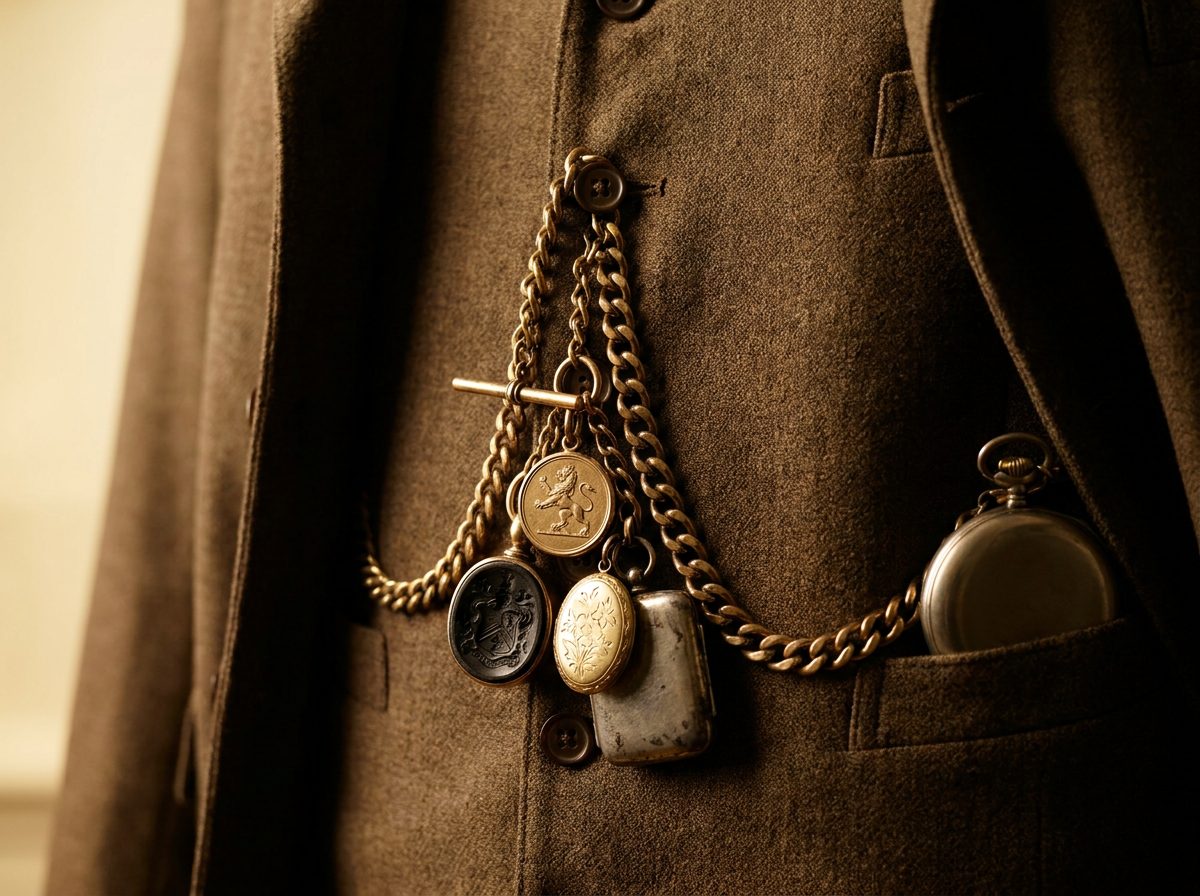
Today, the mechanical watch stands as the solitary acceptable masculine jewel, carrying the full symbolic weight of everything surrendered in the eighteenth century. By providing a robust, mechanical functional alibi for deep aesthetic and emotional indulgence, the timepiece has secured its place at the very apex of male material culture.
Adornment Across Cultures
To fully grasp the psychological gravity of the modern luxury watch market, one must first dismantle the assumption that male personal adornment is a modern consumerist anomaly. Cross-cultural anthropological analyses confirm that the drive to accumulate, display, and negotiate status through body-worn objects is a deep-time human universal. Long before modern executives competed in boardrooms over the allocation of an F.P. Journe or a steel Patek Philippe Nautilus, early hominids negotiated status and resource dominance within their tribes by accumulating and displaying rare animal pelts and furs. The mechanical watch is simply the current, technologically advanced repository for a 75,000-year-old human instinct of self-adornment and tribal belonging.
Across diverse geographies and eras, societies that never underwent the restrictive, utility-obsessed dress codes of the Western Protestant-industrial revolution have continuously utilized elaborate male ornament as a highly visible, socially binding grammar of power, rank, and survival.
The Global Ethnography of Male Adornment
To see this dynamic in its purest form, we look to the Wodaabe, a nomadic Fulani sub-group residing in the Sahelian regions of Niger and Chad. Their annual Gerewol festival serves as a direct inversion of modern Western gender-display standards. The festival’s centerpiece is the yaake dance—a highly competitive, multi-hour endurance ritual where young men are the ornamented sex. To prepare, Wodaabe men paint their faces with red and yellow clay ochre, outline their lips and eyes with dark kohl made from the ash of charred heron and egret bones, and adorn their heads with white ostrich plumes, brass ornaments, and intricate beadwork. Standing in long lines, the men continuously chant, roll their eyes, and bare their teeth to emphasize facial symmetry, tallness, and the bright whiteness of their eyes and teeth. Young women act as the sole arbiters, selecting the most beautiful men, with the ultimate victor crowned as the seekoowo. The Wodaabe male’s danced display is codified as a living human instance of female mate choice driving elaborate male ornament to advertise physical vigor and genetic quality.

In East Africa, the Maasai warriors (Moran) maintain a highly structured, gender-distinct adornment system that functions as a public ledger of a man’s developmental age-set, martial exploits, and social rank. This ornamentation—intricate glass beadwork, red shuka cloth, and complex hair plaiting treated with animal fat and red ochre—is meticulously coded. Young Morans wear bold, bright, and highly elaborate geometric bead patterns to project courage and physical vitality. As they transition into elder status, men deliberately shift to simpler, understated motifs that project wisdom, legislative authority, and accumulated wealth.

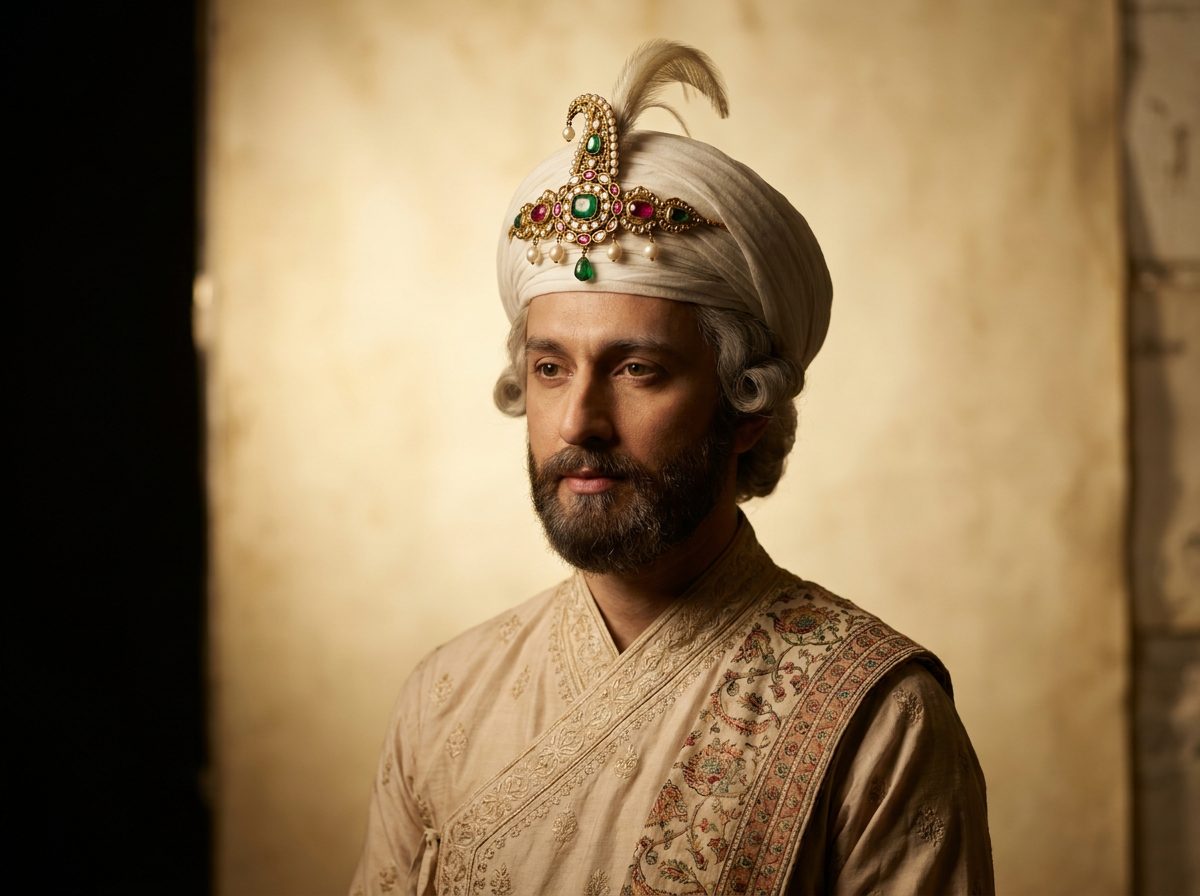
In the royal courts of Mughal and Rajput India, the supreme instrument of male status was the sarpech, a jeweled ornament secured to the front or side of the royal turban. Curatorial records from the Victoria & Albert Museum document that under the early Mughal Empire in the sixteenth century, wearing turban jewels was the highly guarded, exclusive prerogative of the emperor and his sons; it functioned as a literal crown-surrogate. By the eighteenth century, however, as central Mughal power declined, these formerly intractable sumptuary rules were systematically broken. Regional rulers adopted the sarpech as an emblem of their own rank and newly asserted political authority.
The Blueprint for the Modern Watch: Edo-Period Japan
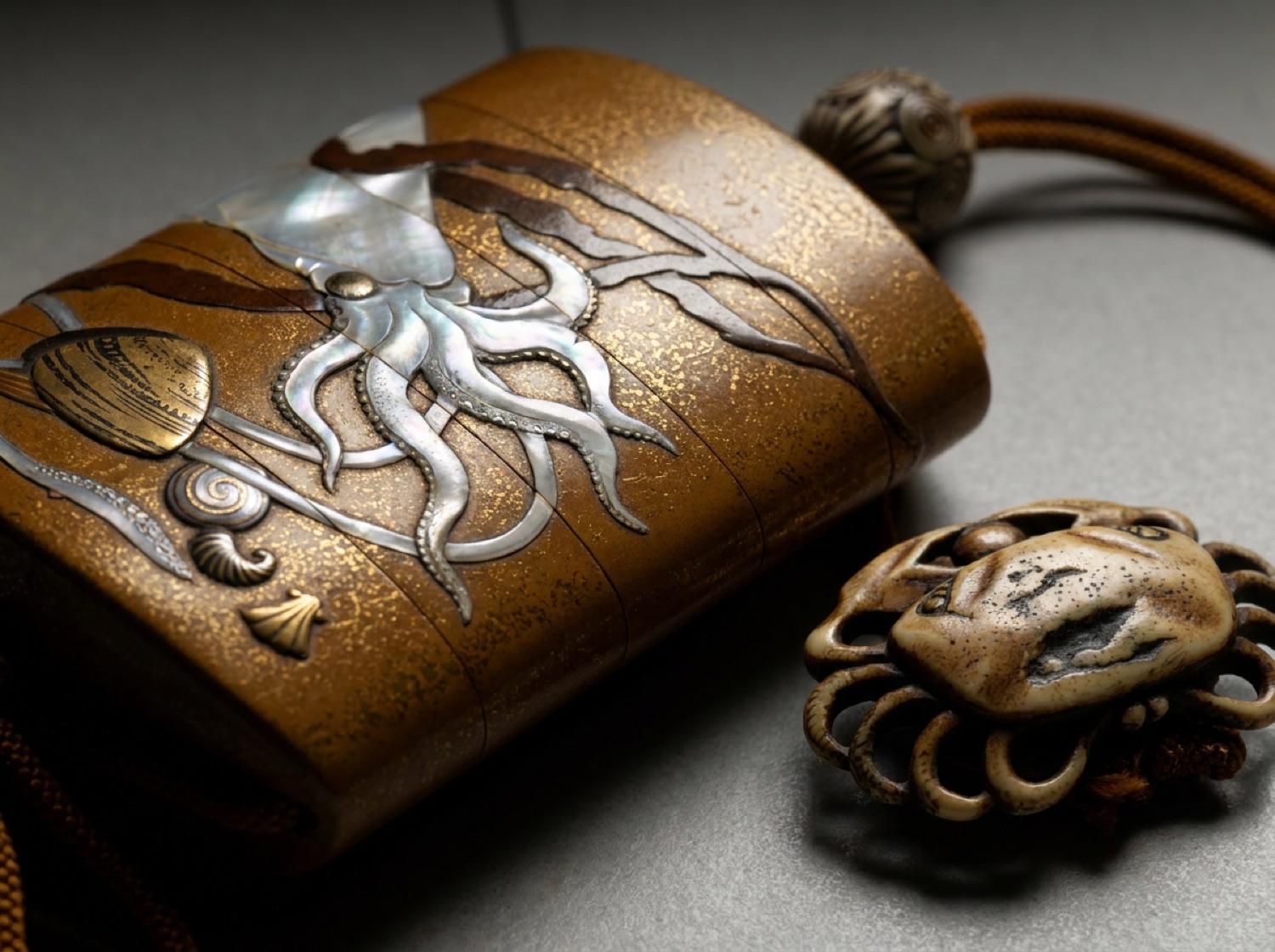
The closest pre-modern historical analogue to the “functional alibi” that governs the modern mechanical wristwatch is the inrō and netsuke system of Edo-period Japan (1603–1868). Because the traditional Japanese kimono had no pockets, men suspended personal effects from their obi (sash) using a silk cord threaded through an ojime (locking bead), anchored at the top by a netsuke (carved toggle), which supported the inrō (a nested, multi-tiered lacquer box used to carry seals, ink, and medicine).
Under the strict sumptuary laws of the Tokugawa shogunate, direct, ostentatious displays of wealth through clothing were legally prohibited for the merchant class (chōnin). To bypass these restrictions, wealthy Japanese men channeled their resources into these tiny, structurally necessary carrying accessories. This regulatory bottleneck drove extreme craftsmanship. Artisans produced signed masterworks decorated with mother-of-pearl inlay (raden) and gold dust lacquer (maki-e). The inrō was the ultimate functional alibi: a utilitarian carrying case masking an explosive, culturally illicit display of wealth and connoisseurship.
The Compress: Extreme Object Refinement
Just as the Edo-period merchants channeled their constrained dandyism into the inrō and netsuke described above, the modern Western male faces a similar compress. Stripped of almost every expressive accessory, the modern man is left with the wristwatch as the single, universally permitted male jewel.
The weight of modern masculine status competition has compressed onto the wrist. This intense concentration explains the otherwise irrational market economics of high-end horology. A collector does not evaluate a watch based on raw timekeeping utility. Instead, they willingly pay 300 percent to 1,000 percent premiums for features that are entirely invisible to the uninitiated: a hand-filed angle rentrant (sharp internal angle) proving a human, not a CNC machine, finished the part; a chemical flaw in dial paint that turned a face “tropical” over fifty years; or a double-signed “Tiffany & Co.” stamp.
The extreme constraint of the allowed channel has recast the mechanical caliber as a high-resolution, exclusionary emblem of taste and cultural capital. It is the modern sarpech and the contemporary netsuke—a deep-time evolutionary signal wrapped in a mechanical alibi.
The Female Gaze
While the utility alibi secures permission from male peers, the watch operates on an entirely different frequency when subjected to the female appreciative gaze. Unlike the male gaze, which is heavily preoccupied with homosocial competition (peer-group rank, specialized reference numbers, and microscopic dial anomalies), the female gaze uses the watch as a potent aesthetic and socioeconomic diagnostic tool.

The psychological and biological impact of the wristwatch is heavily documented across empirical literature. In their landmark 2011 study, “Peacocks, Porsches, and Thorstein Veblen: Conspicuous Consumption as a Sexual Signaling System” (Journal of Personality and Social Psychology), Sundie et al. demonstrated that conspicuous luxury displays function as highly precise sexual signaling systems. The research proved that conspicuous purchasing directly enhances a man’s perceived desirability to women.
Crucially, however, the watch signals more than just raw resources. A 2015 study from Glasgow University (Ellis & Jenkins) revealed that men who wear watches self-report—and are perceived by observers—as being significantly higher in conscientiousness. In mate selection, conscientiousness translates to reliability, attention to detail, and temporal self-discipline. A watch physically frames the hand and forearm—traditional anatomical loci of physical competence and security. Because a watch must be carefully chosen and proportioned to the wrist, it acts as a subconscious proxy measuring a man’s maturity and aesthetic self-awareness.
This introduces a critical nuance: the Threshold of Ostentation. While subtle luxury increases perceived competence and status, hyper-conspicuous luxury triggers a negative biological and social reaction. In psychological testing, excessively flashy displays—such as diamond-encrusted cases or loud logomania—signal narcissism, financial recklessness, and a lack of suitability for long-term partnership.
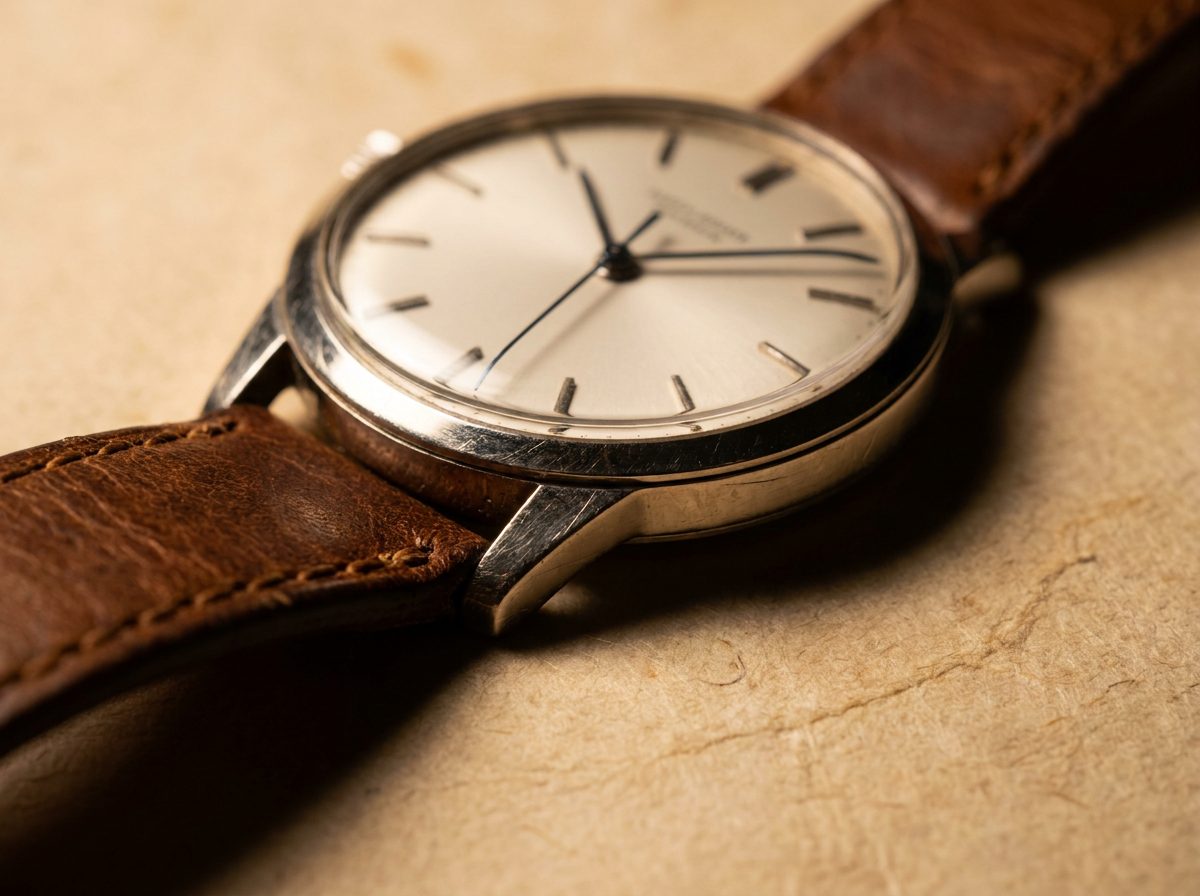
This behavioral threshold is confirmed by empirical consumer data from platforms like Montredo. When women rate men’s watches on date appeal, clean, classic, and understated designs (such as a slim, well-proportioned vintage watch on a leather strap) consistently score the highest. Conversely, oversized, aggressive, or diamond-paved references (like iced-out Audemars Piguets or bold Hublots) rank at the absolute bottom. The “Seduction of Restraint” dictates that a well-proportioned, understated mechanical timepiece signals the wearer has paid the “knowledge tax” of discernment, choosing quiet patrician distinction over loud, insecure parvenu ostentation.
By communicating resources, reliability, and taste without requiring a single spoken word of boast, the wristwatch remains the only male adornment that survives the scrutiny of the female gaze entirely intact.